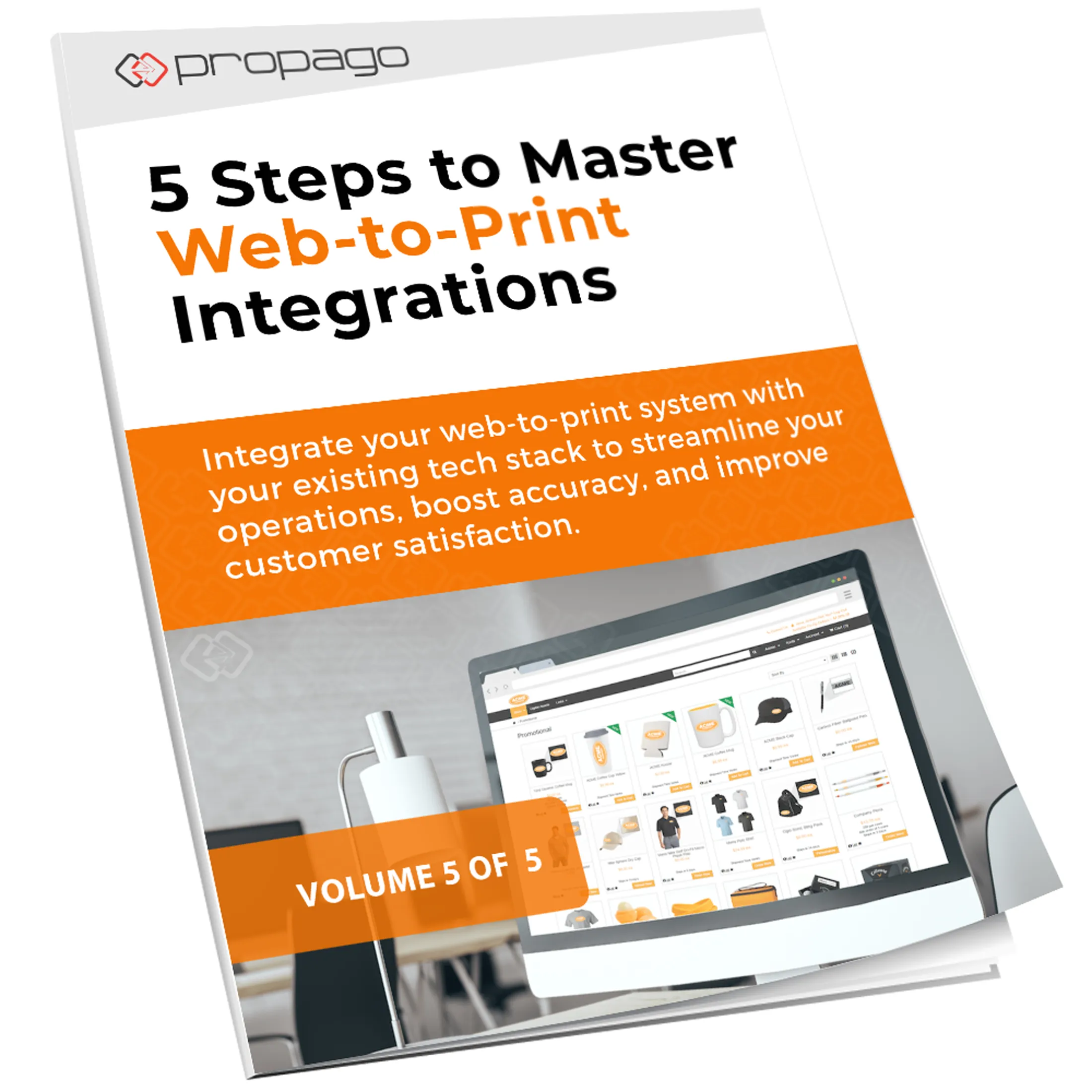
Mastering Web-to-Print Solutions with Propago
At the forefront of web-to-print technology, Propago empowers businesses to harness the full potential of their printing solutions. This comprehensive guide serves as an entry point for organizations looking to understand and implement effective web-to-print strategies.
By exploring the various facets of web-to-print, including platform selection, integration, and ROI maximization, users can gain valuable insights that lead to informed decision-making and enhanced business outcomes. Propago's expertise ensures that every aspect of web-to-print is covered thoroughly.
Requirements of a Modern Web-to-Print Platform
Understanding the essential features of a modern web-to-print platform is crucial for businesses aiming to leverage this technology effectively. Key requirements include user-friendly interfaces, robust integration capabilities, and customizable templates that cater to diverse client needs.
Moreover, a modern platform should support various file formats and offer advanced analytics to track performance and user engagement. These features enable businesses to streamline operations and deliver high-quality print products that meet customer expectations.
How to Succeed with Web-to-Print in the B2B Space
Success in the B2B space with web-to-print solutions hinges on understanding the unique needs of business clients. Tailoring offerings to provide personalized service, efficient order fulfillment, and scalable solutions is essential for fostering long-term partnerships.
Additionally, leveraging data analytics to anticipate client needs and optimize offerings can significantly enhance customer satisfaction and retention. By focusing on these strategies, businesses can position themselves as leaders in the competitive B2B web-to-print market.
Launching B2B Marketing Storefronts in Record Time
Launching a B2B marketing storefront quickly is vital for businesses looking to capitalize on market opportunities. Implementing a web-to-print solution allows for rapid deployment of customized storefronts that cater to specific business needs and branding requirements.
With features like template customization and automated workflows, businesses can streamline the setup process and reduce time to market. This agility not only enhances operational efficiency but also enables businesses to respond swiftly to customer demands and market changes.